Recent

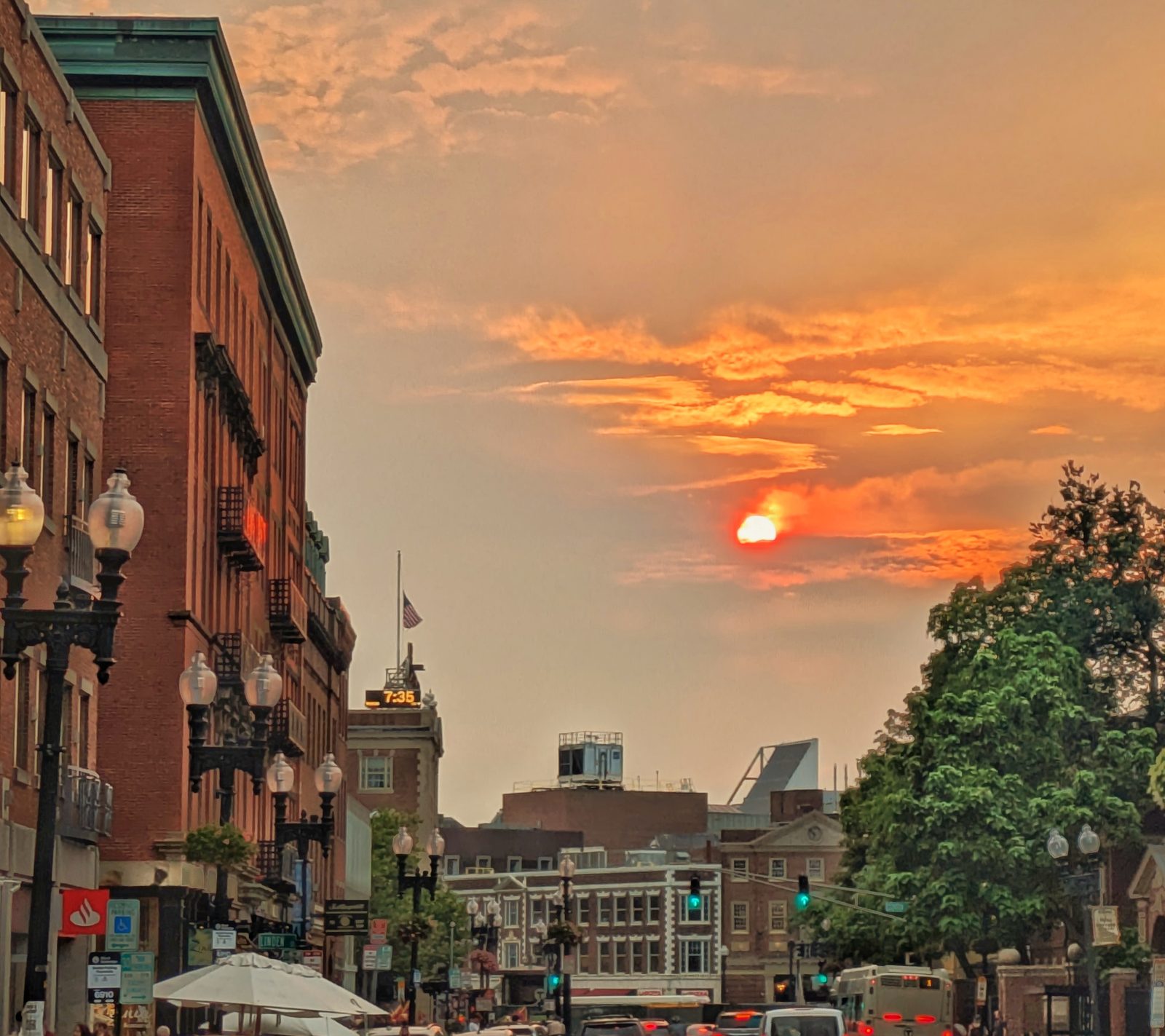
Smoky sunset in Harvard Square
Caught this look at the sun during the wave of wildfire smoke we had in Boston this summer. The upside was gorgeous sunsets, this one near Harvard Square.
Handing agency oversight to Trump is a fatal blow to public trust - The Hill
https://thehill.com/opinion/white-house/5978985-agency-independence-eroded-trust/ →
My old graduate school roommate, Daniel Walters a professor at Texas A&M, is co-author on this excellent article about the eroding independence of federal agencies and the opportunity it creates for more executive overreach and erosion of trust in the government.
 Jared Knowles
I’m working on getting some new photos out - especially some exciting macro pictures I’ve been taking in the garden. Summer is busy though and finding time for the edits is always a challenge!
Degeneracy is a Symptom - Henry Fudge
https://henryfudgeofficial.substack.com/p/degeneracy-is-a-symptom →
A really excellent essay about how high-risk, low expected value acts like gambling, trying to go viral, etc. are a symptom of how the incentives have completely changed in the K shaped economy.
Politicians Are Trying to Change What Chatbots Say About Them - New York Times
I have been interested in this idea and this article introduced me to the concept of “Answer Engine Optimization” or AEO. Unlike SEO, right now at least, it seems very easy to move and adjust. And signs are this is rapidly becoming the way to reach people…
VAR Is My Mortal Enemy and Should Be Yours, Too - The Ringer
Brian Phillips nails it. From an entertainment perspective, VAR is an abomination in almost every sport. It has gone too far. I hate waiting 20 seconds after any meaningful action to see if the referee will make or reverse a call that changes the game.
In defense of not understanding your codebase
https://www.seangoedecke.com/in-defense-of-not-understanding-your-codebase/ →
The term “understanding” does a lot of work in thinking about code and data science. All code is an abstraction. And, abstractions embody a balance of tradeoffs between competing concerns like readability, performance, and maintenance costs. This post lays that out really thoughtfully!
 Jared Knowles
It is wild how mainstream Democrats can apparently raise hundreds of millions of dollars and all they can think to do with it is sell my phone number to each other in a circular loop while I text back “STOP” furiously in a game of whack-a-mole.
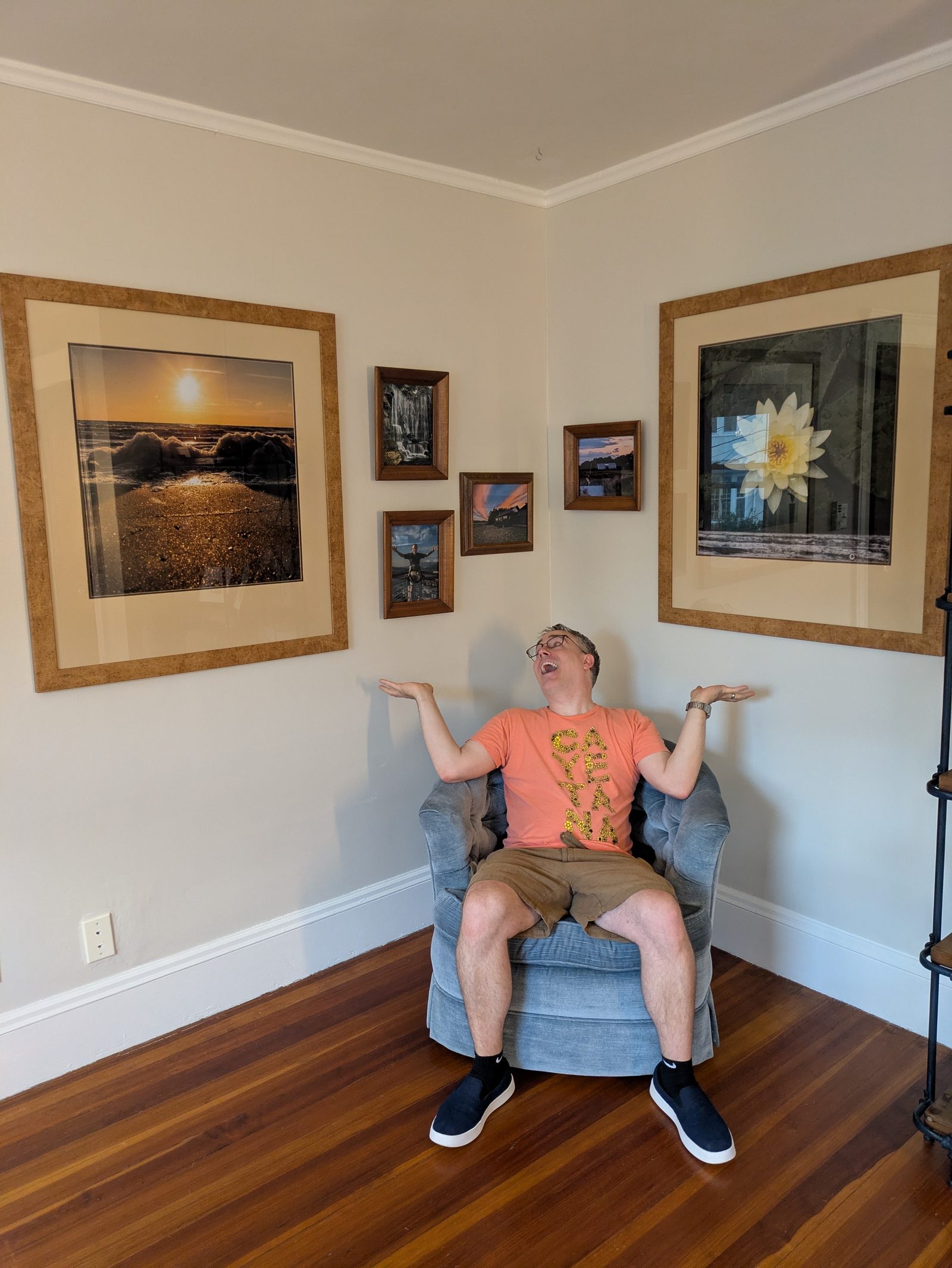
One of the great joys of photography is printing your work. And even better - printing it large! Hannah got these frames cheap and asked me to print these photos from my portfolio for them. They came out great and I'm really probably enjoying them more than she is so far!
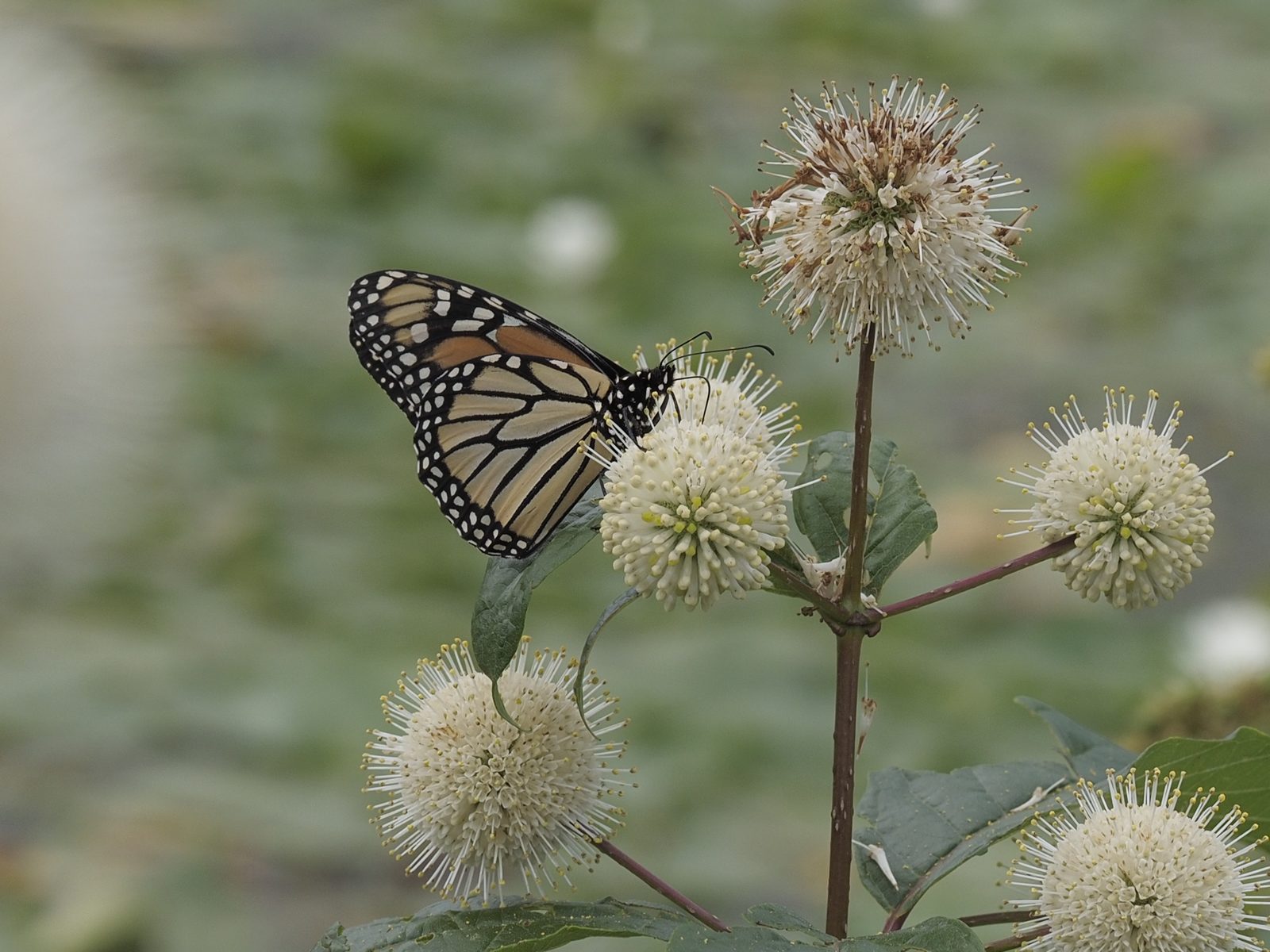
Saw a butterfly feeding on a huge button flower plant today on a quiet bike ride in a state park.
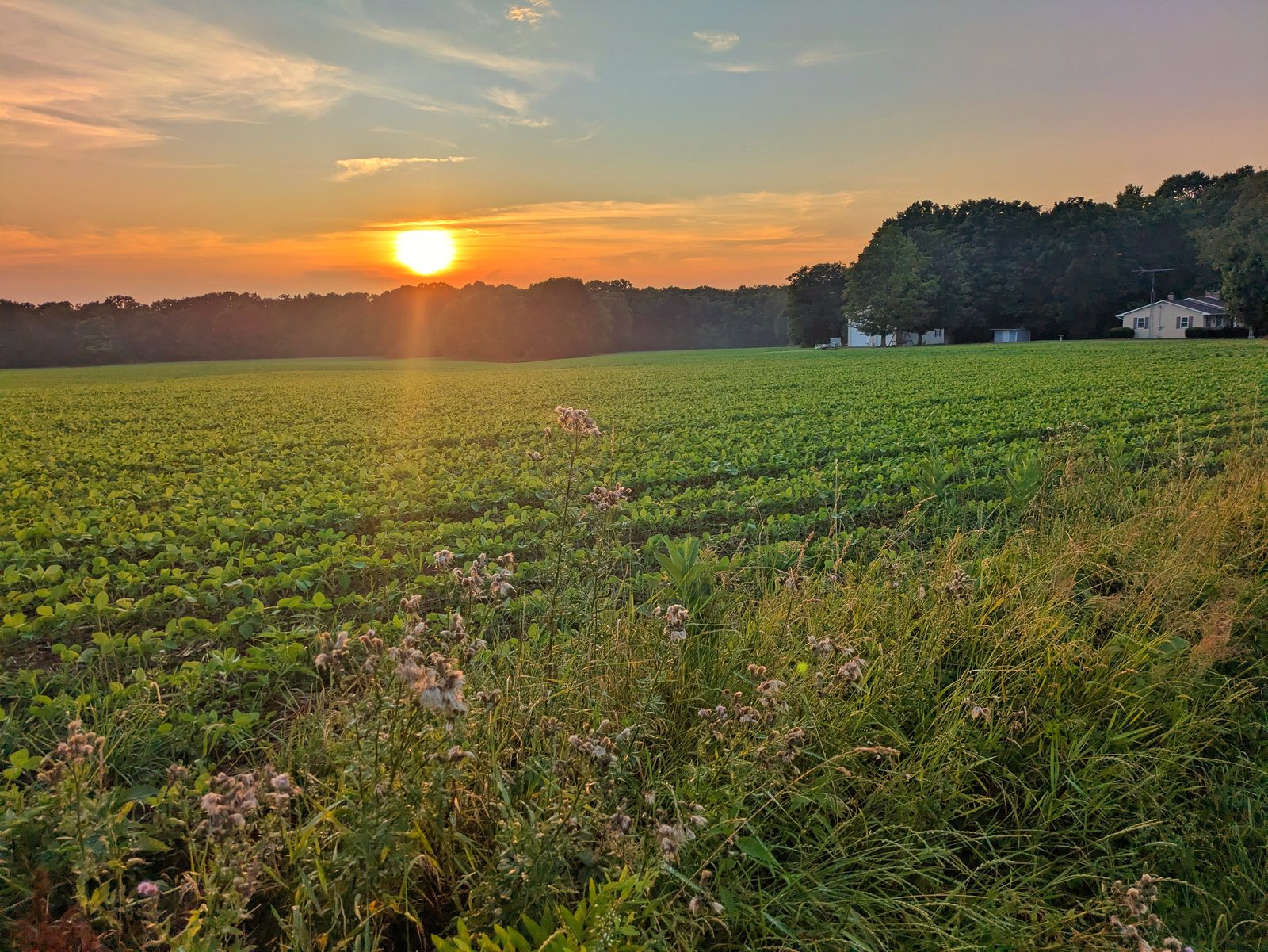
On a bike ride in farm country this evening and caught a wonderful sunset.
Jared KnowlesCharlie Davies is a soccer genius. He said Cape Verde would get out of their group and make some noise. Well, here against Argentina, their performance is positively deafening. One of the games of the tournament.
Record profits, terrible service: something’s got to give for US consumers
https://www.theguardian.com/us-news/ng-interactive/2026/jun/24/customer-service-us-consumers →
Consumer sentiment at an all time low. Corporate profits at an all time high 15% share of GDP. Employee compensation below 10% of GDP. Prices soaring, choice falling. Something has to change. Freedom and liberty can still be restored.
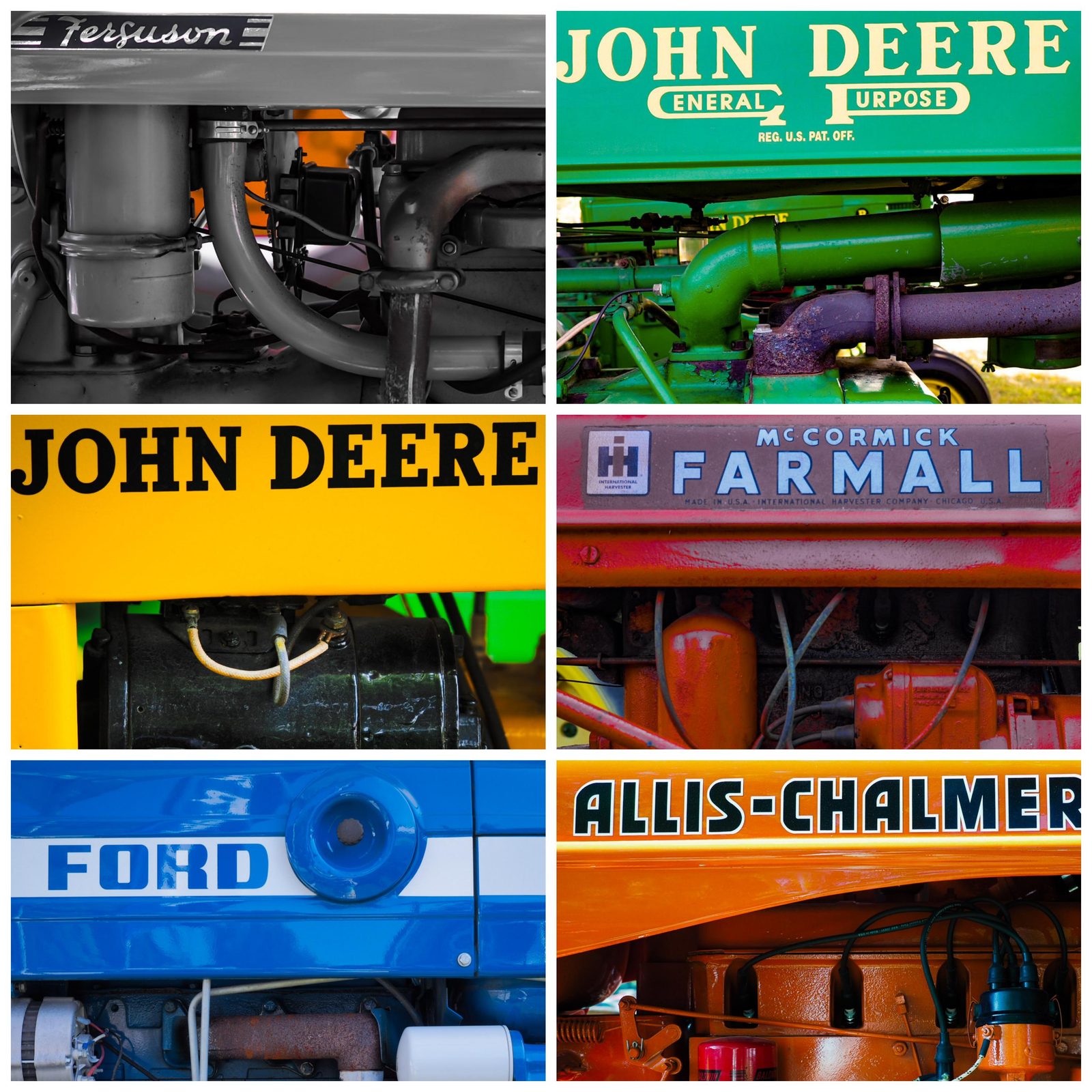
At the Ashtabula County Antique Engine Club annual big show this year I decided to try to capture all the variety and color of the tractors in this abstract collage. The show has tractors of all sizes as well as oil well engines, pump engines, and electric generators. A very cool display of decades of innovation and technological progress.

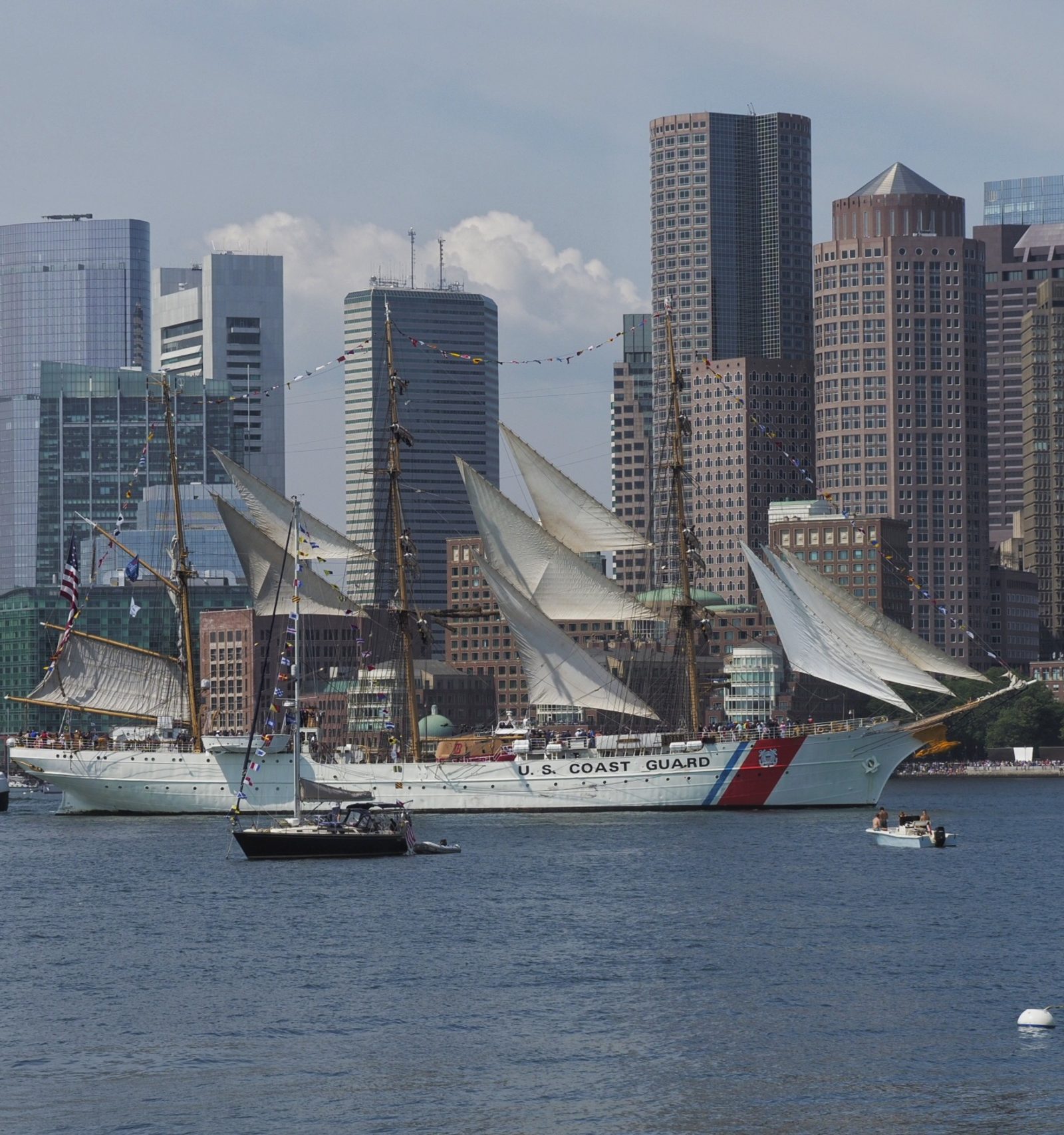
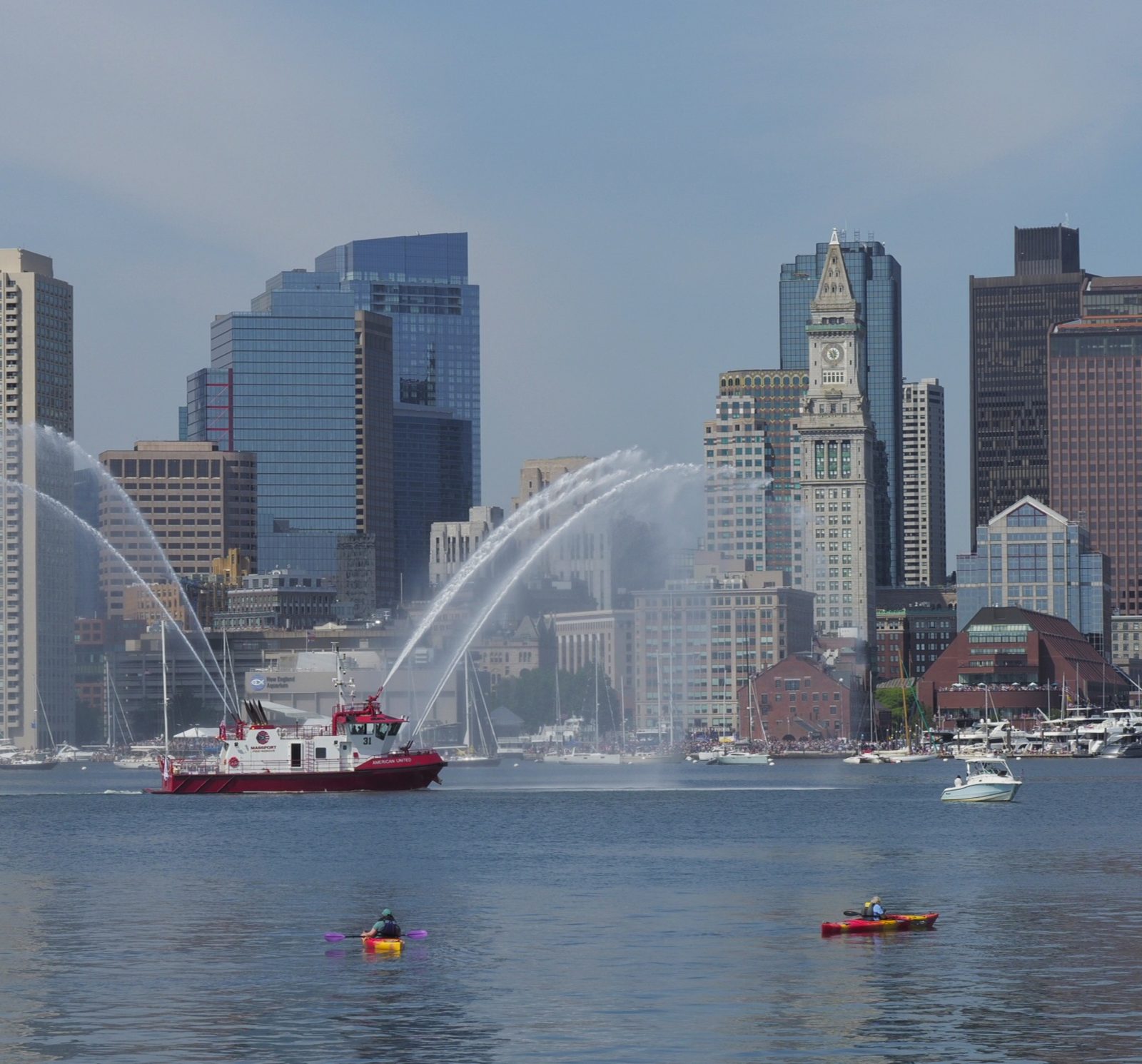
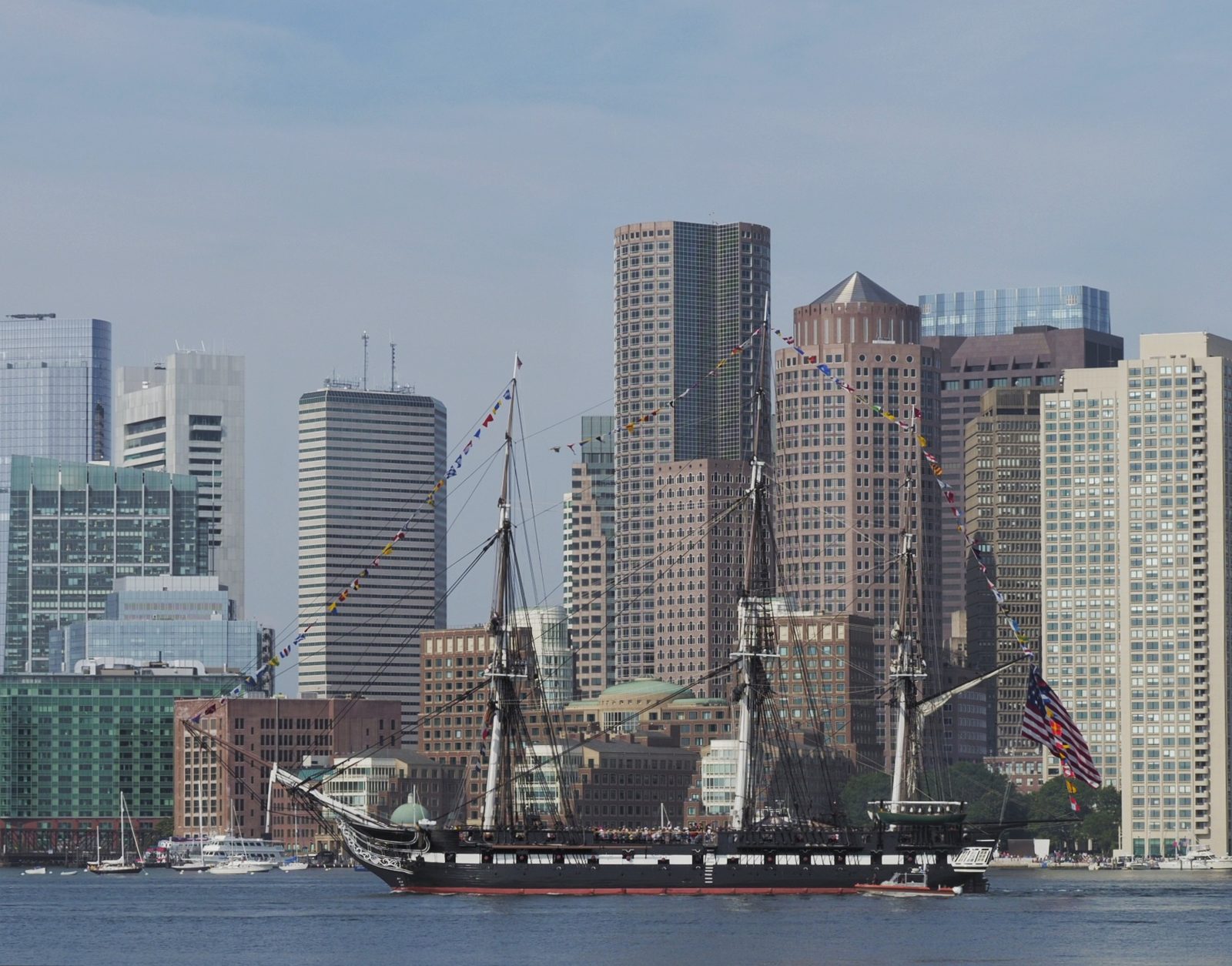
I think I might have to go to the parade of sail this July in Boston. Last time I got this shot with nothing but my kit lens. My telephoto and I can probably get some spectacular shots this time.
Summary: The Global Justice Report - Global Justice Project
https://globaljusticeproject.wid.world/insight/summary/ →
This is wonky, but as it is forecast to hit above 100F here in Boston this week, I plan on digging in and reading this really great report/policy vision that explains how a better world is possible. This is the kind of engaged applied social science that I love!
Jared KnowlesSometimes education research can be so frustrating. Student school-to-school and district-to-district mobility is critical to understand achievement and interventions. There is no public measure of this readily available at any level of aggregation. Right?
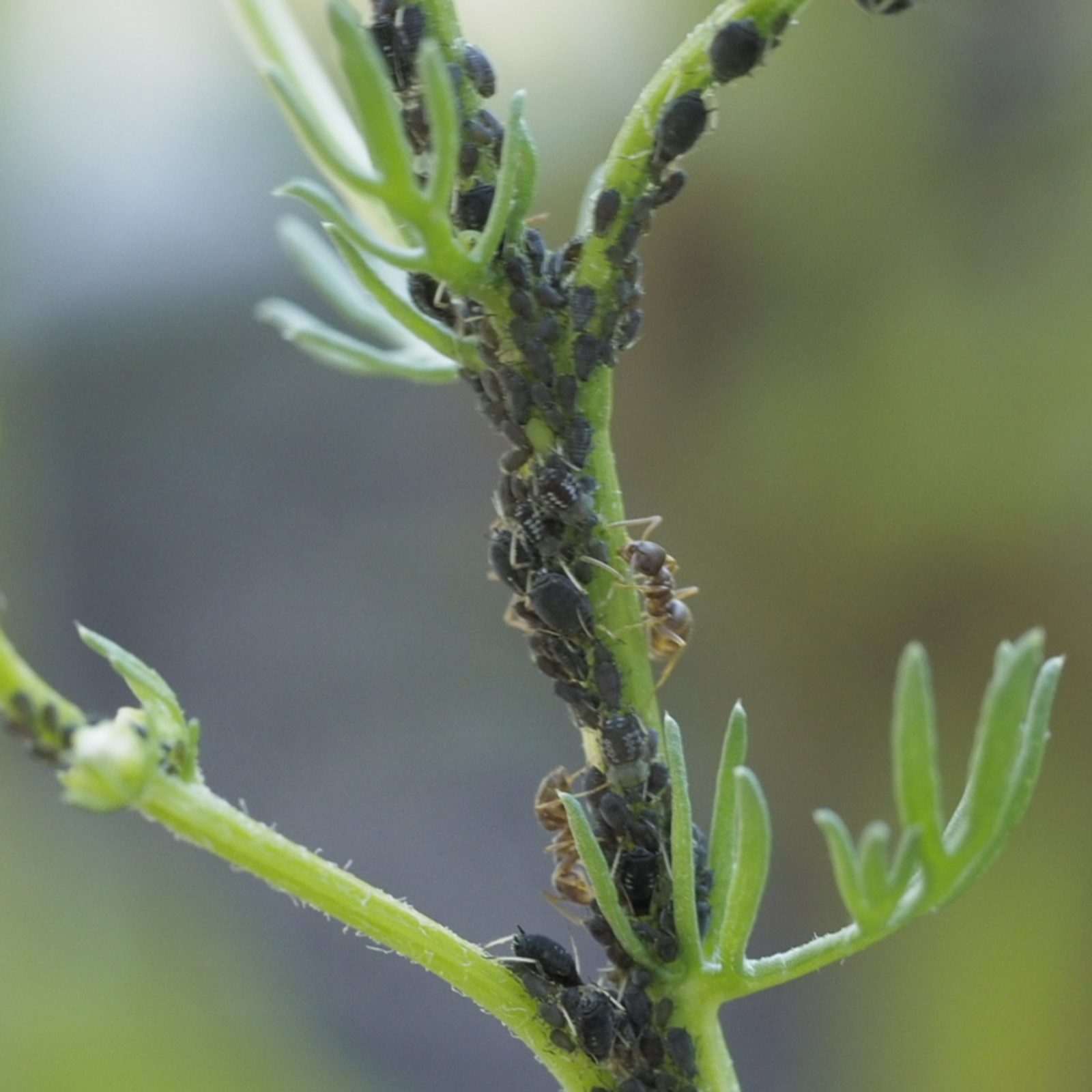
My macro photography skills aren't great yet but it was a lot of fun trying to get this action shot of ants feeding (farming?) these aphids in our garden.
Examining circuit boards from the Space Shuttle's I/O Processor
https://www.righto.com/2026/06/space-shuttle-io-processor-boards.html?m=1#fn:part-numbers →
I was reading this nodding along and realized at some point, awhile back, I had no clue what it was talking about. But I was still enjoying it.
Notes from a Convening on Teaching Statistics in the Age of Agentic AI
This was interesting to read. For quantitative analysis AI simply does most of the work when prompted now. Once you see it and believe it, the really interesting questions discussed in this article take on considerable urgency. It’s uncharted territory which is exciting to think about and very easy to get lost in.
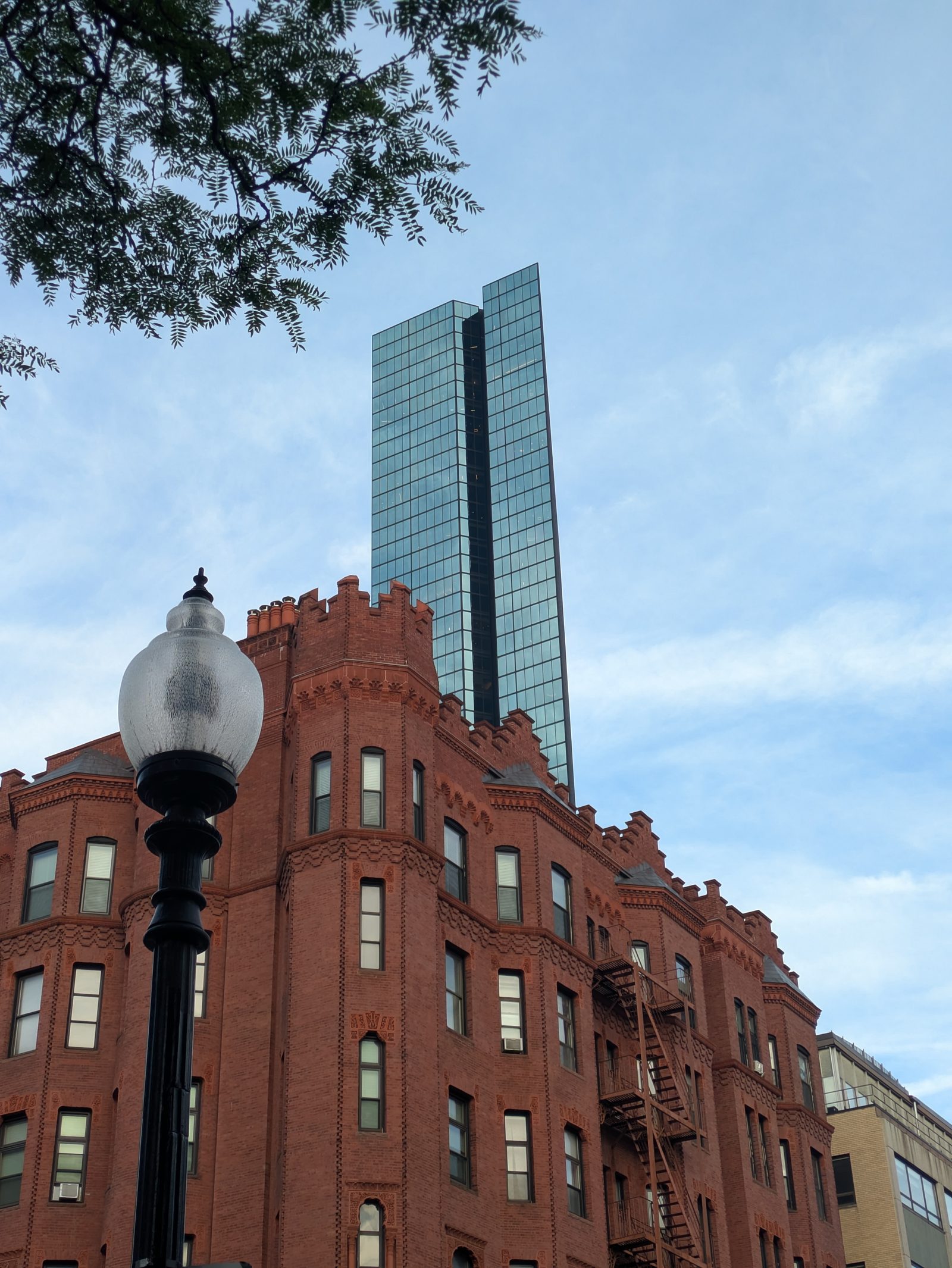
Great light last night out in Boston. Always fun to stroll along and around Copley Square, especially at World Cup time!
eeptools enters long-term support
There are no new features in eeptools 1.3.0, and that is the point. After more than a decade and a quarter-million downloads, I'm putting the package officially into long-term support — a maintenance phase of deliberate deprecation that ends with a 2.0 release pared down to only what's still uniquely useful for education data.
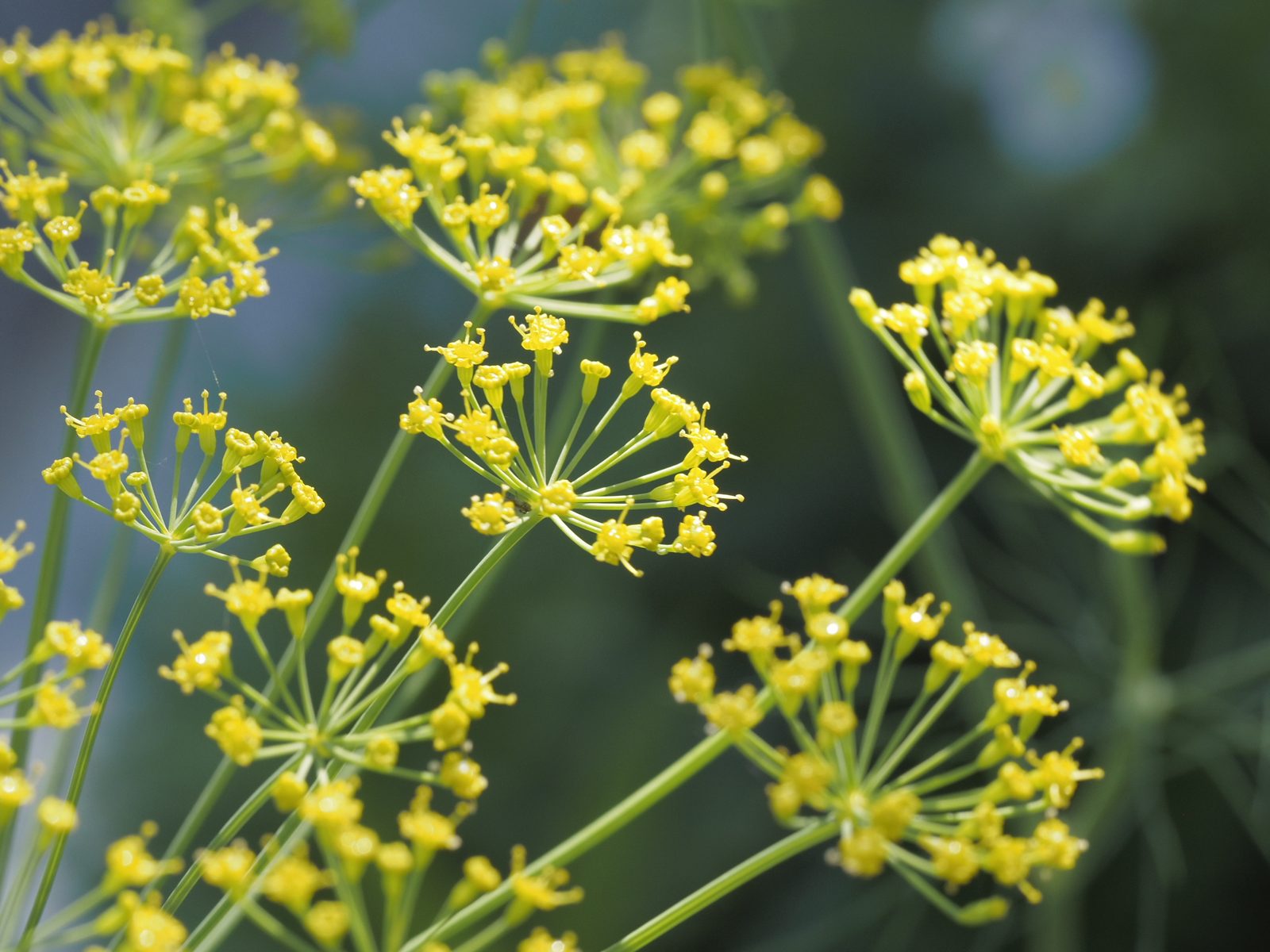
In the "hellstrip", aptly named, between our sidewalk and the street, Hannah managed to grow these beautiful flowers. Taking the macro lens out for a walk through the garden this evening really paid off!
DuckDB’s Quack Protocol Solves the Problem I Kept Working Around
I appreciate the technical content being put out by Lander Analytics. Consistently great stuff, on the cutting edge, thoughtfully presented. I use DuckDB all the time and read the official post about the Quack protocol, but this article made some practical recommendations that clicked for me.
Jared KnowlesThinking about going back to posting a picture a day. For awhile it was a good ritual to keep me connected to my photography even when I wasn’t shooting, and to help me be a little more reflective about what pictures worked or didn’t and curate my own taste more. I need to do the same with my writing! But one step at a time!
It’s Only When You Look Back - Mark Round
https://www.markround.com/blog/2026/06/17/25-its-only-when-you-look-back/ →
This is a fun retrospective on technology. It’s good to stop amid the hype and hyperbole of the tech industry and take the wider view. Humbling and inspiring and grounding.
Jared KnowlesScience, of any kind, is so hard to get right. It is really hard to explain that 99.9% of all the work in science is just finding different ways that you are wrong!
This is bad. I use open models all the time - for simple coding, chores, and sensitive data. The open models are really good and super efficient. This move to squash them with regulation instead of competition is the proof. Innovation should be done in the open, like with OSS.