Recent
One approach to the age-period-cohort problem: Just don’t.
https://www.the100.ci/2026/02/13/one-approach-to-the-age-period-cohort-problem-just-dont/ →
When I was in grad-school it was trendy to call these FUQs - fundamentally unidentifiable (or unanswerable) questions. This is a much more nuanced, engaging, and useful take on how to approach a problem where your variables of interest can’t be varied.
Taking action against AI harms - Anil Dash
https://www.anildash.com/2026/02/23/taking-action-ai-harms/ →
Anil Dash is one of my favorite writers about technology. And this is why you will no longer see any Civilytics or Jared Knowles content on Twitter/X - I deleted all our posts after reading this article.
Vibe coding and agentic engineering are getting closer than I’d like
https://simonwillison.net/2026/May/6/vibe-coding-and-agentic-engineering →
Simon Wilison has lots of great insights, and this one mirrors what I am finding. I am picking up a lot of “engineering” skills on the fly, while I am working on “vibe coding” things that I couldn’t deploy on my own in the past, but that I feel like I know very well what they should look and feel like.
The Paper Factory
https://osf.io/preprints/socarxiv/24xfq_v1 →
Per Engzell and Nathan Wilmers provided some real insight on experiments with how well LLMs can produce quantitative social science paper production, even held back by using Stata of all things.
R as CLI Agent Harness
https://cornball.ai/posts/r-as-agent-runtime/ →
This is an interesting project I am tracking. There are so many AI agent harnesses, but harnesses make such a difference in the capabilities and usefulness of the tools. Particularly smaller LLMs really benefit from strong harnesses. Could be super useful!
merTools 1.0: prediction intervals for mixed models, validated against brms
After a decade on CRAN, merTools reaches 1.0 — feature complete, in long-term support, and now benchmarked head-to-head against full Bayesian inference.
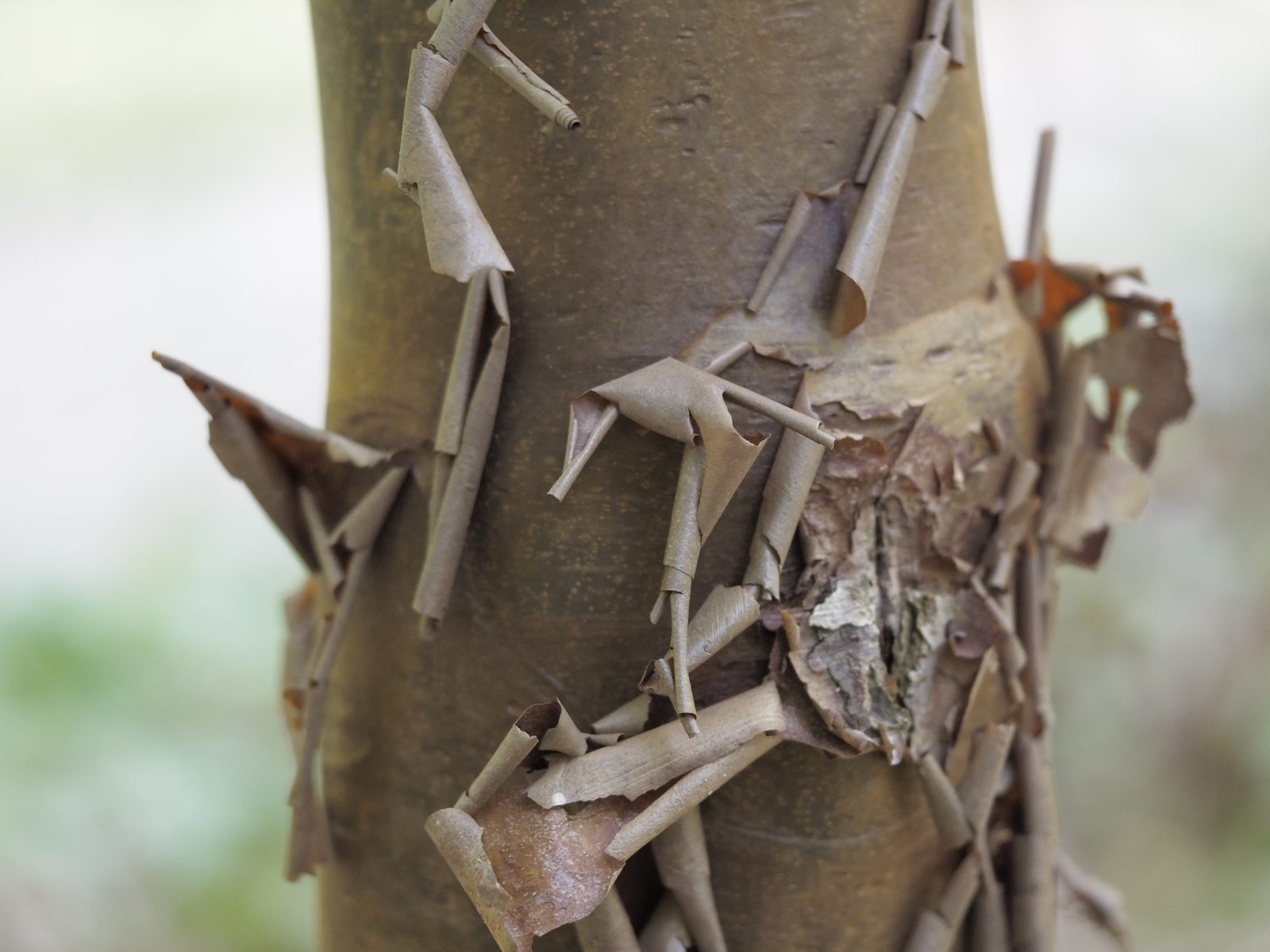
I took my macro lens out for a spin at a nearby botanical garden and was impressed with the results. I've never seen a paper bark variety of a maple. Very cool!

Between blizzards this winter I took my camera out to experiment with photographing snowy scenes. I have a lot to learn for next winter, but I enjoyed the texture and composition of this picture.
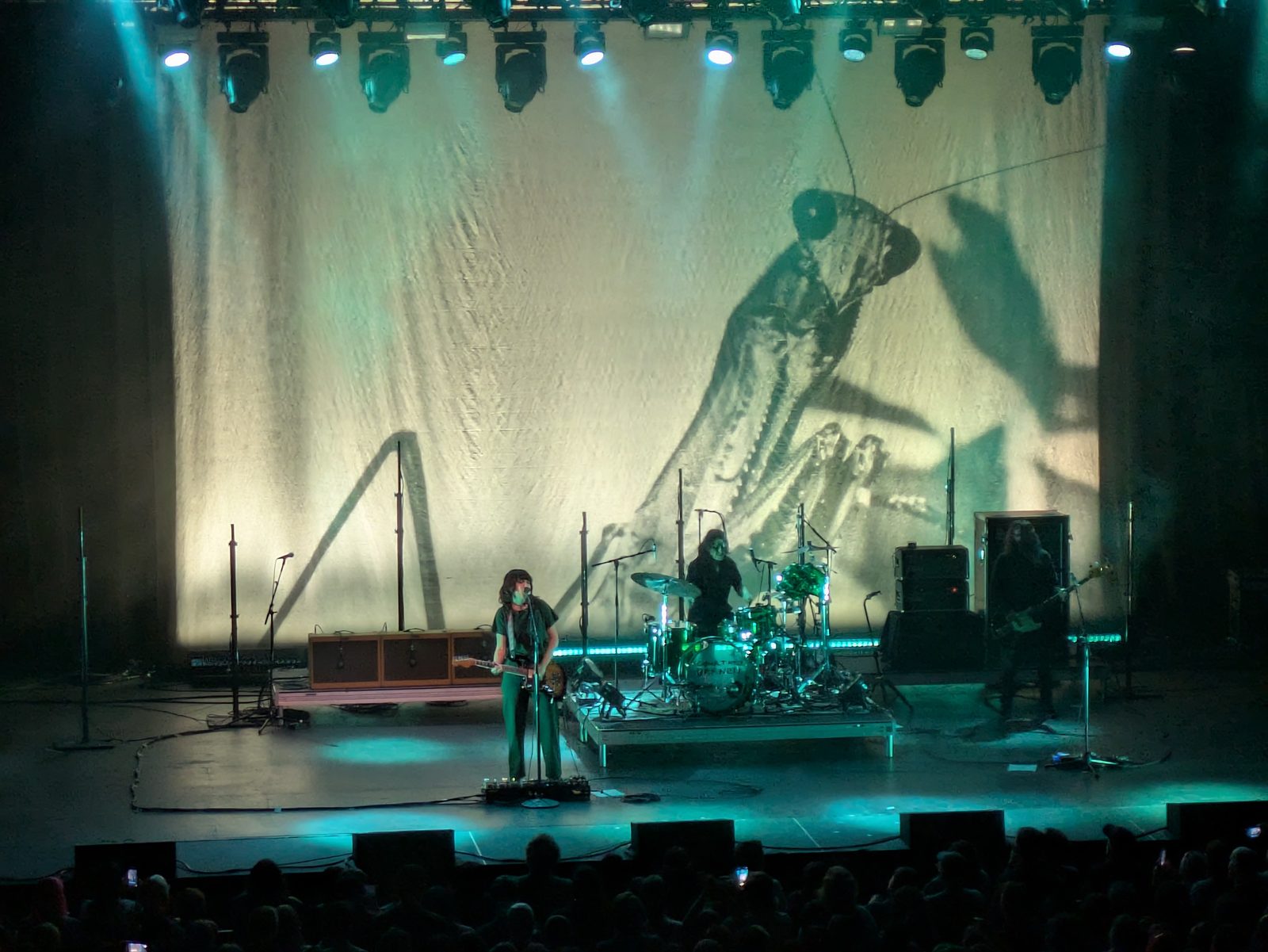
Courtney Barnett holding court
Saw Courtney Barnett absolutely rock the Roadrunner in Boston last night
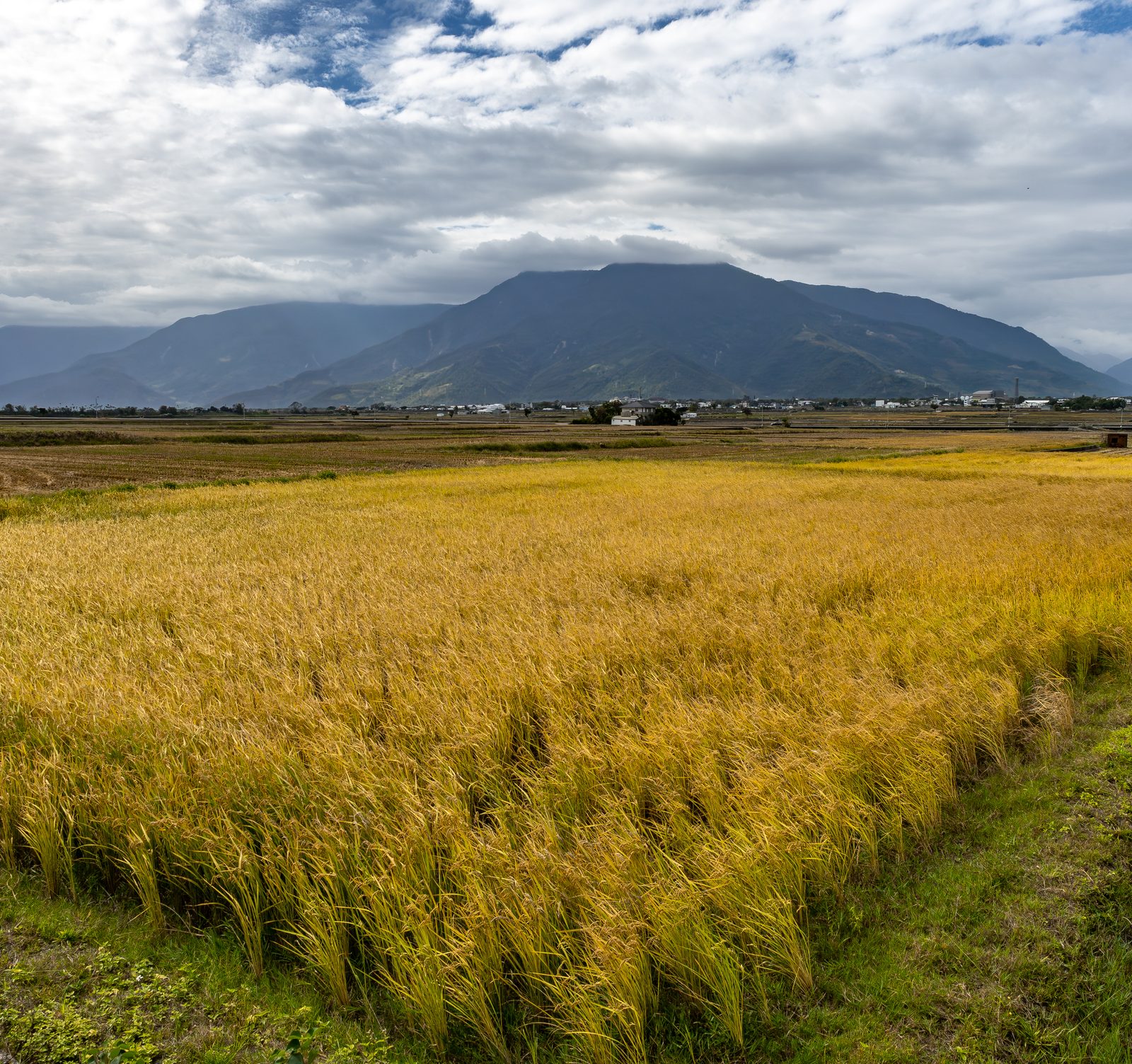
A rice field in Taiwan, taken in November 2025 on the vaunted Route 1 cycle route.
 Jared Knowles
My first real use of AI for something productive was asking openweights models Mistral and Code Gemma (v1 I think!) for help with regular expressions. Now I built this website with Claude Opus using the Claude Code harness less than 2 years later.
Project APE: Can policy evaluation be automated? Or is hallucinated slop unavoidable? Let's find out.
https://ape.socialcatalystlab.org/ →
Fascinating to see people using AI to replicate the work of academia. I saw some interesting critiques asking if this means papers never were and should not be moving forward the primary unit of output. I think that’s an interesting question.

After a long bike climb, we came around a corner to this stunning scene.
Jared KnowlesWorking paper verticals like EdWorkingPapers, NBER, and others are a convenient way to end-around the publication process while retaining a lot of the prestige and value of submitting to peer review.
Quack: The DuckDB Client-Server Protocol
https://duckdb.org/2026/05/12/quack-remote-protocol →
A client-server protocol for DuckDB could really unlock a lot of agentic data science workflows for me - collaborating on the same database without running into conflicts or waiting in line to push updates.

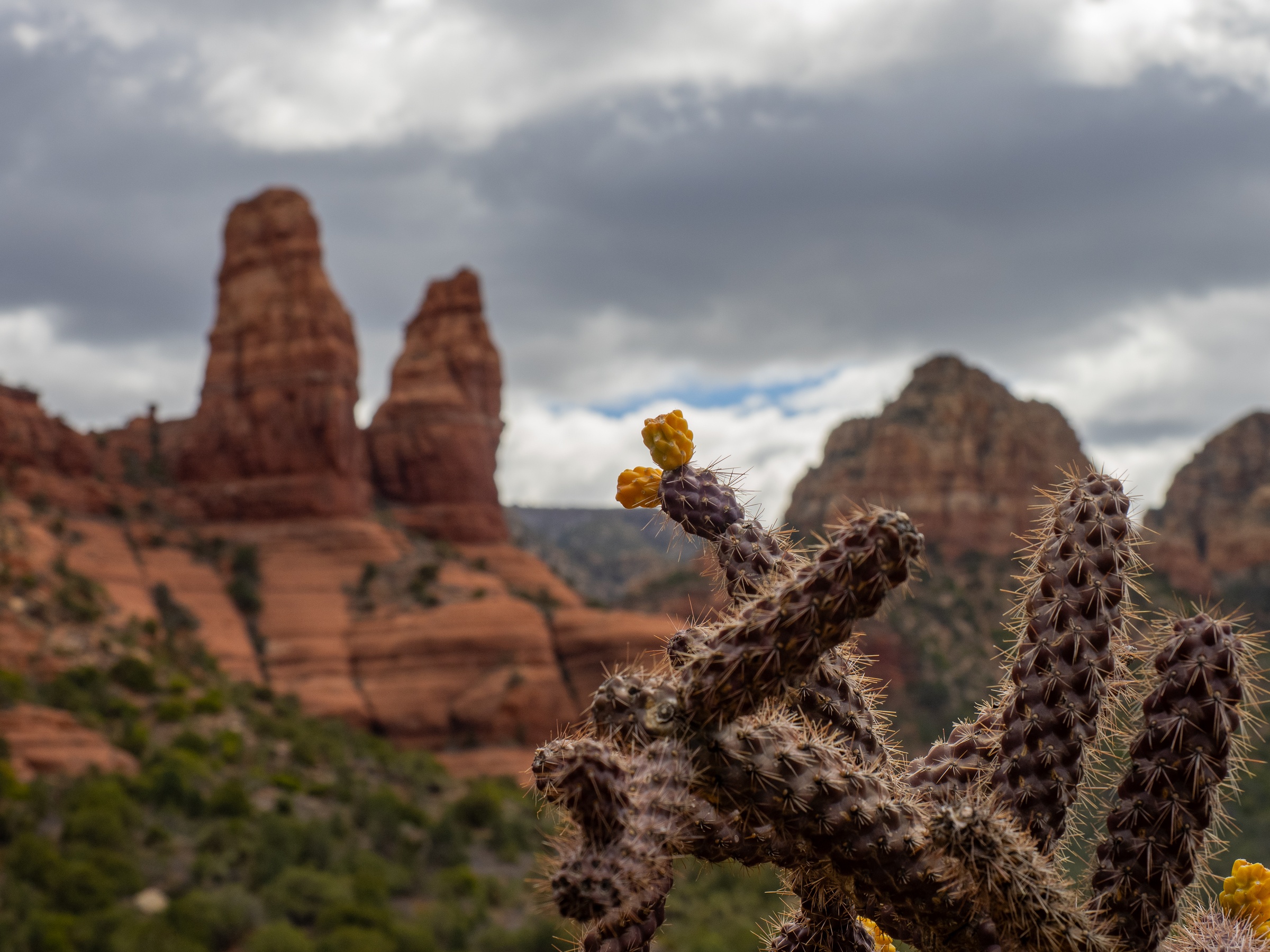
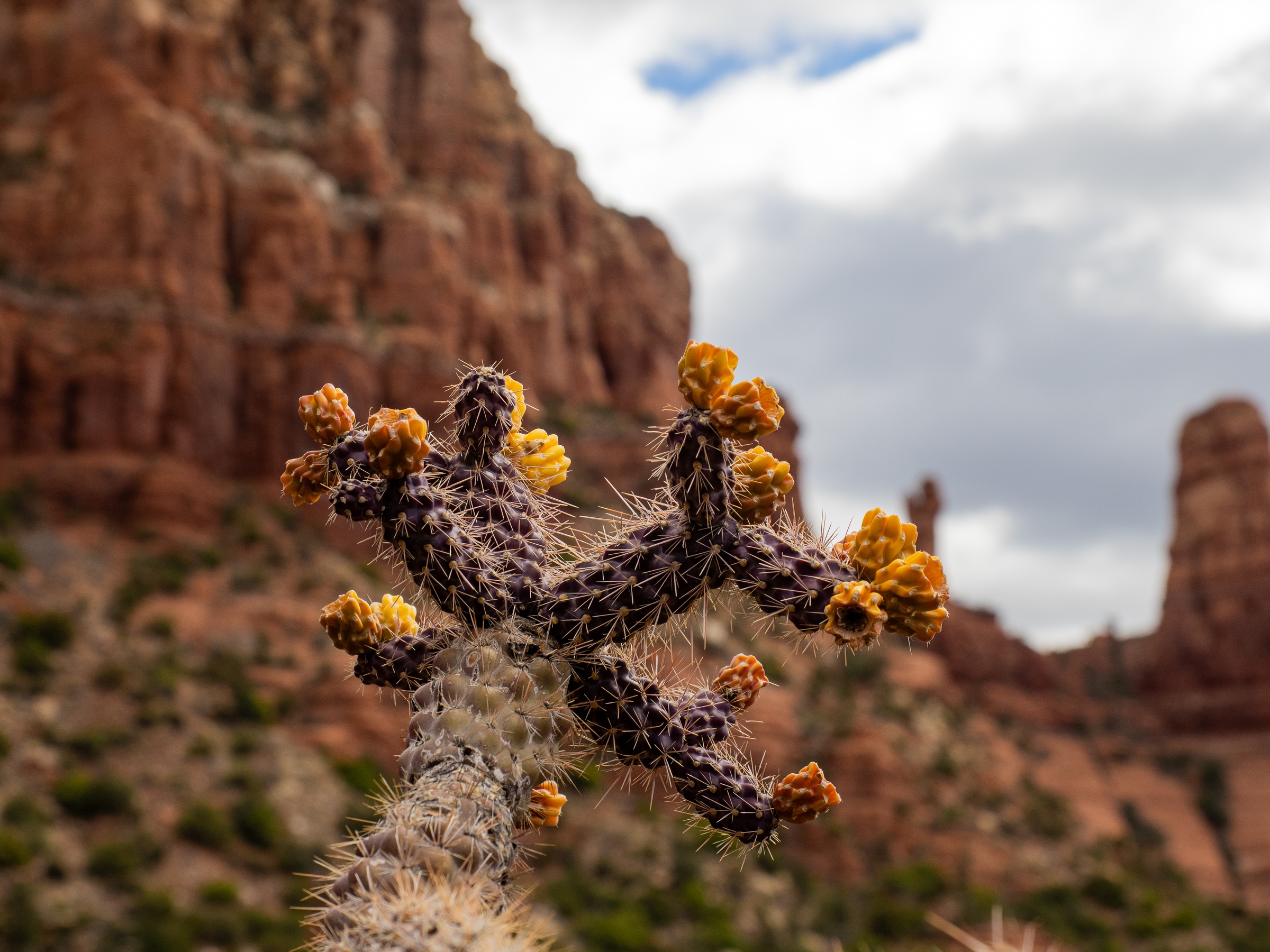

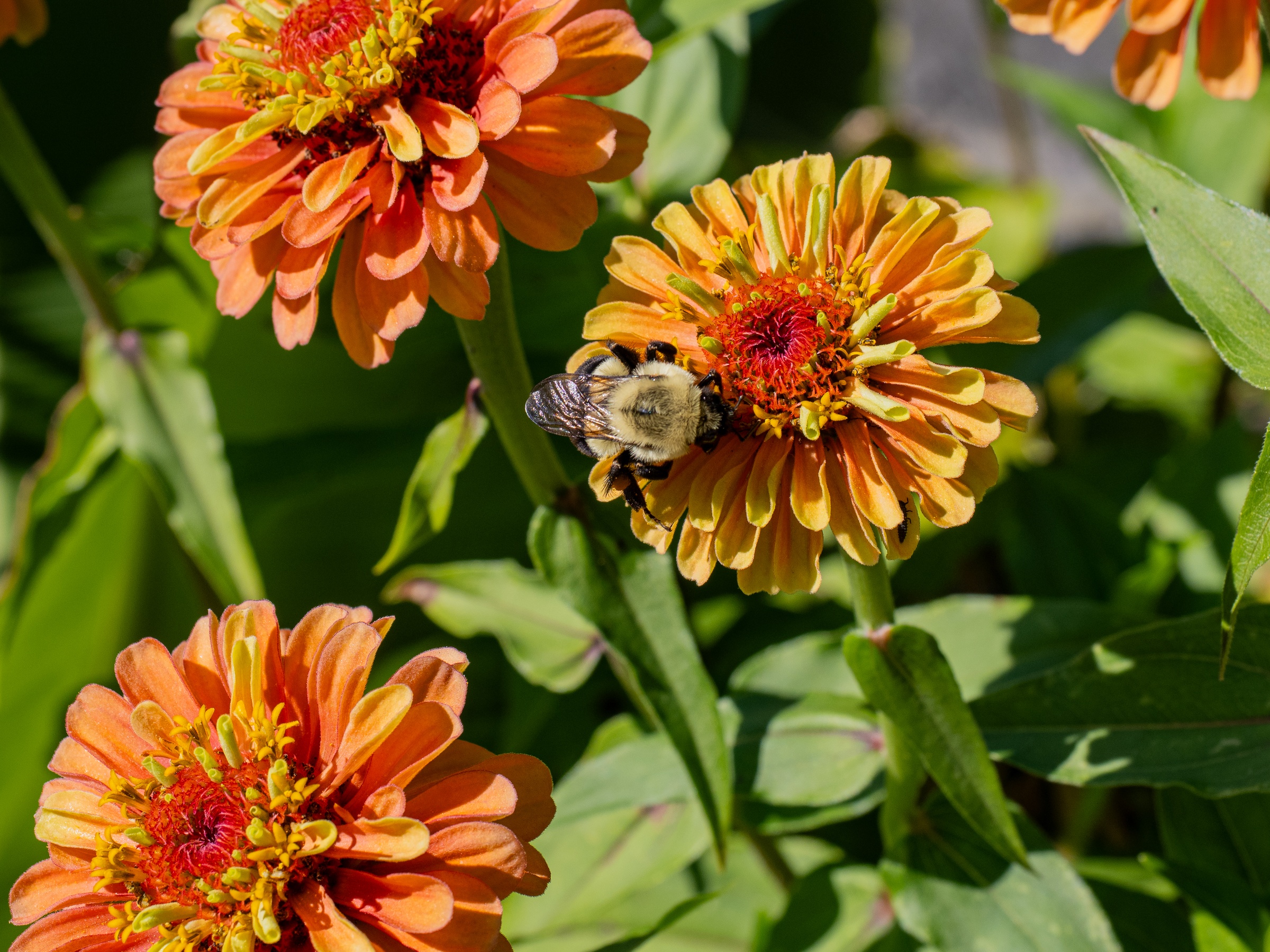


Macro Portfolio
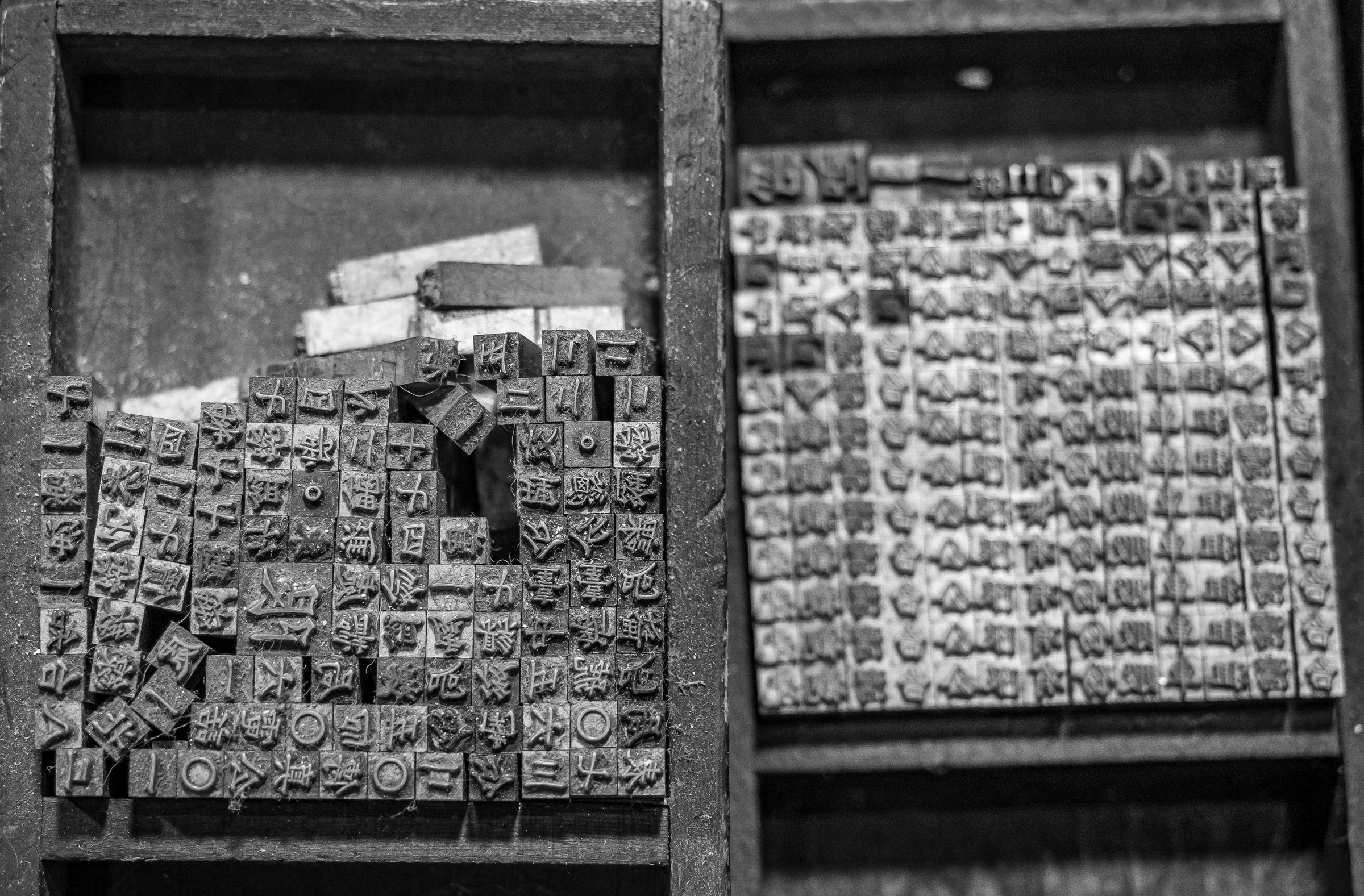
Getting in close has been helpful for me to challenge and extend my skills at composition and depth of field. These are my best attempts so far.

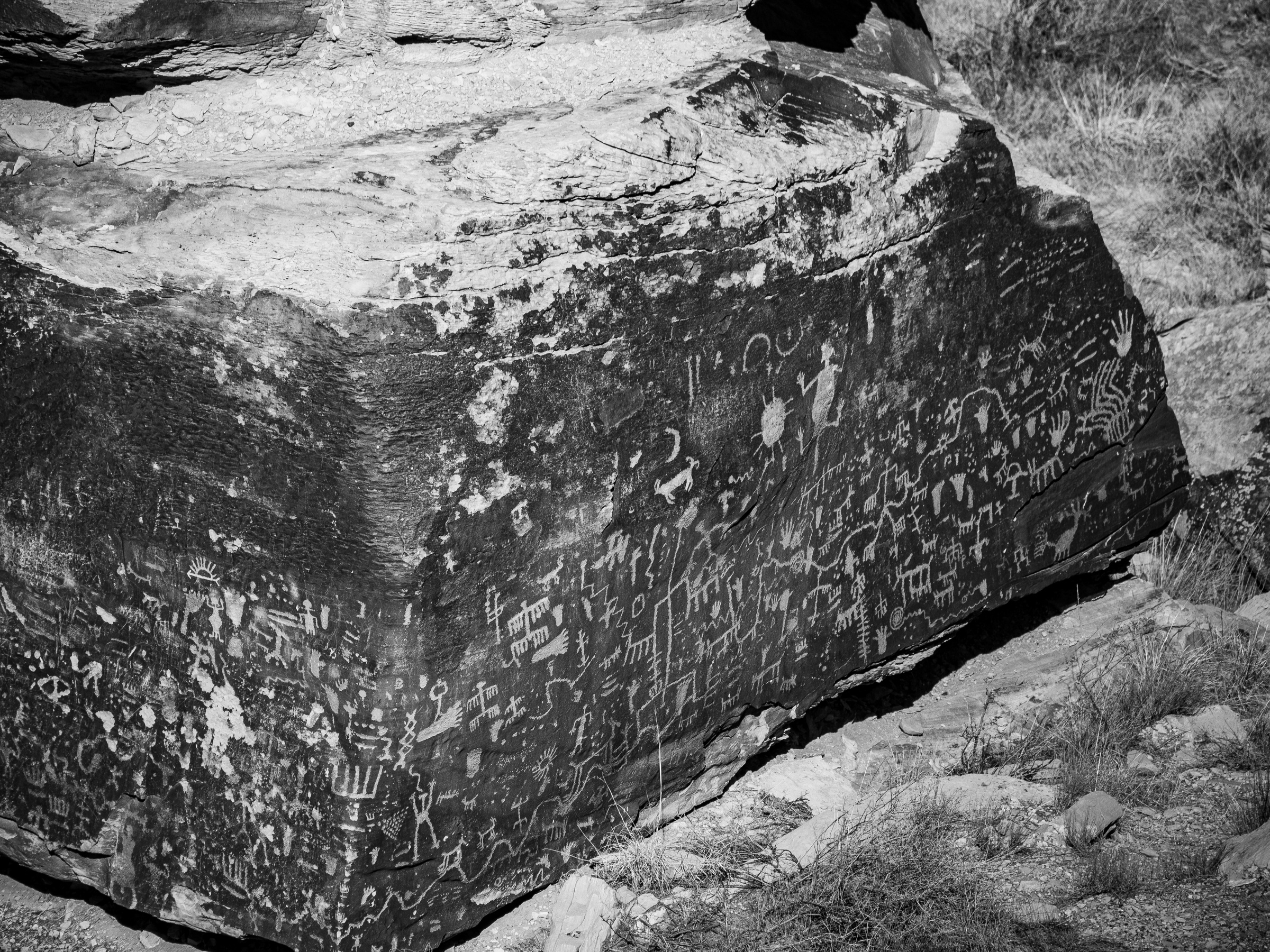




Wildlife Portfolio
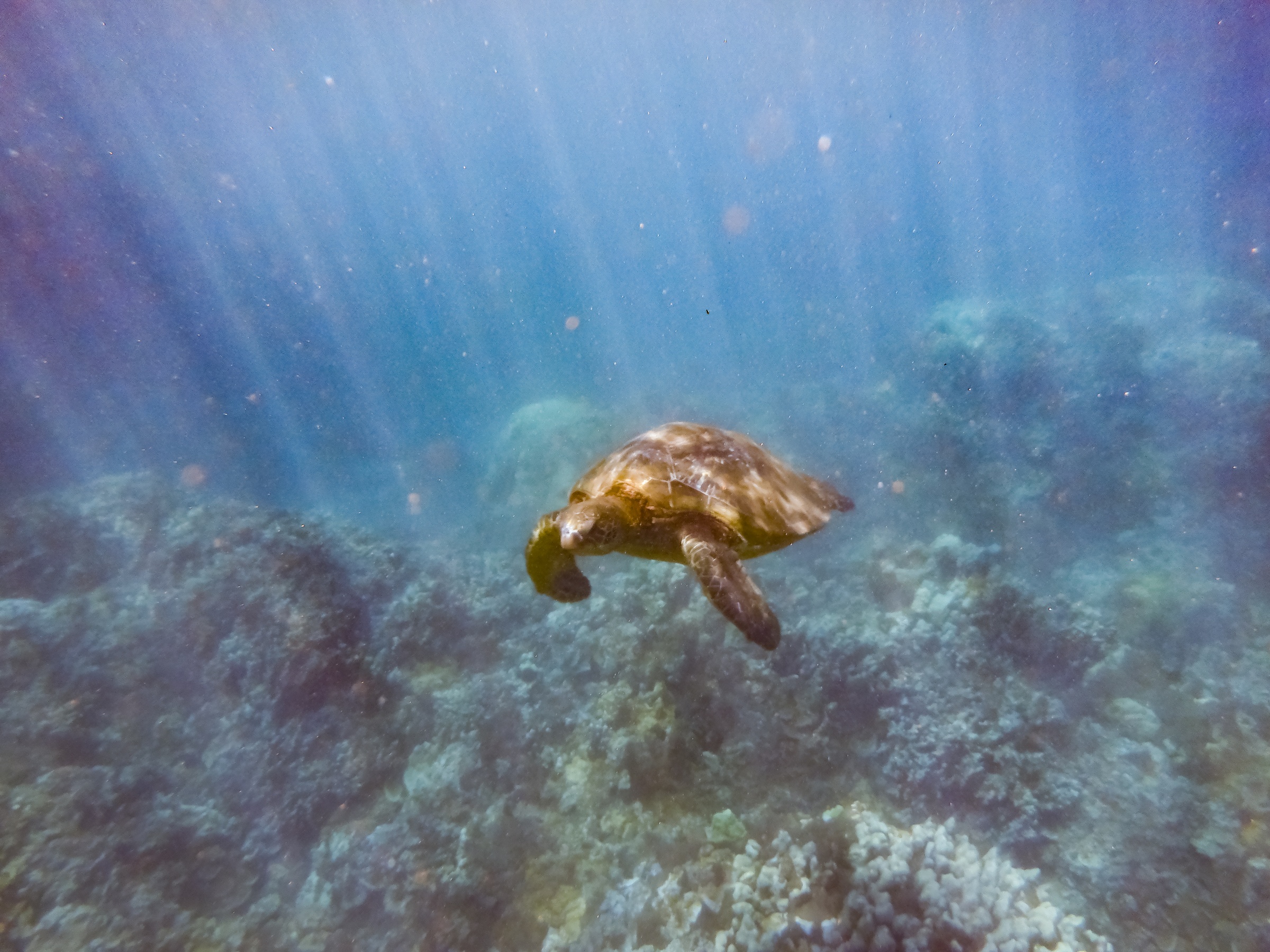
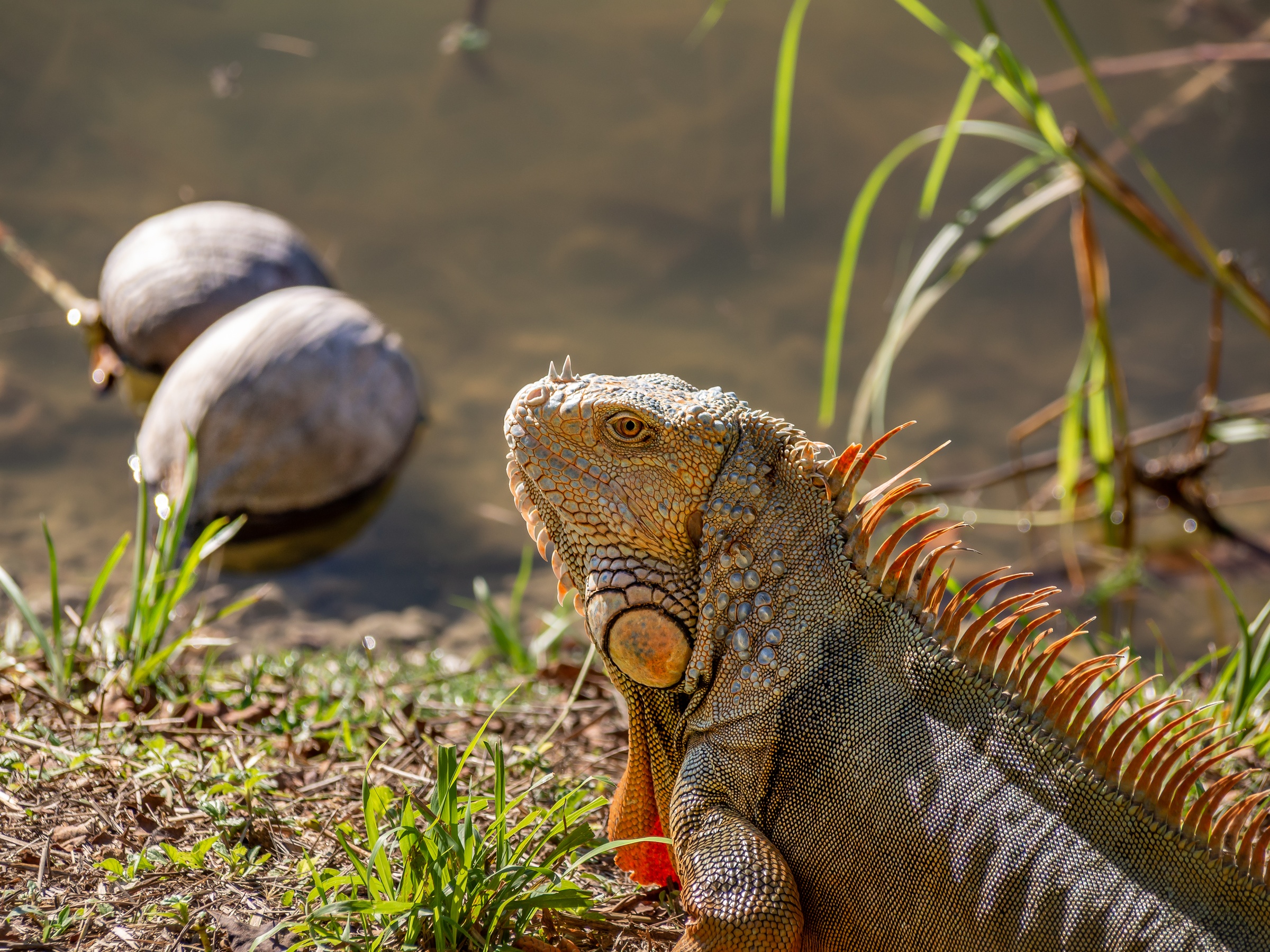
I don't go looking for wildlife very often, but when I see them I do try to get a good picture. My favorites are when I can capture a little personality.


Civics Portfolio
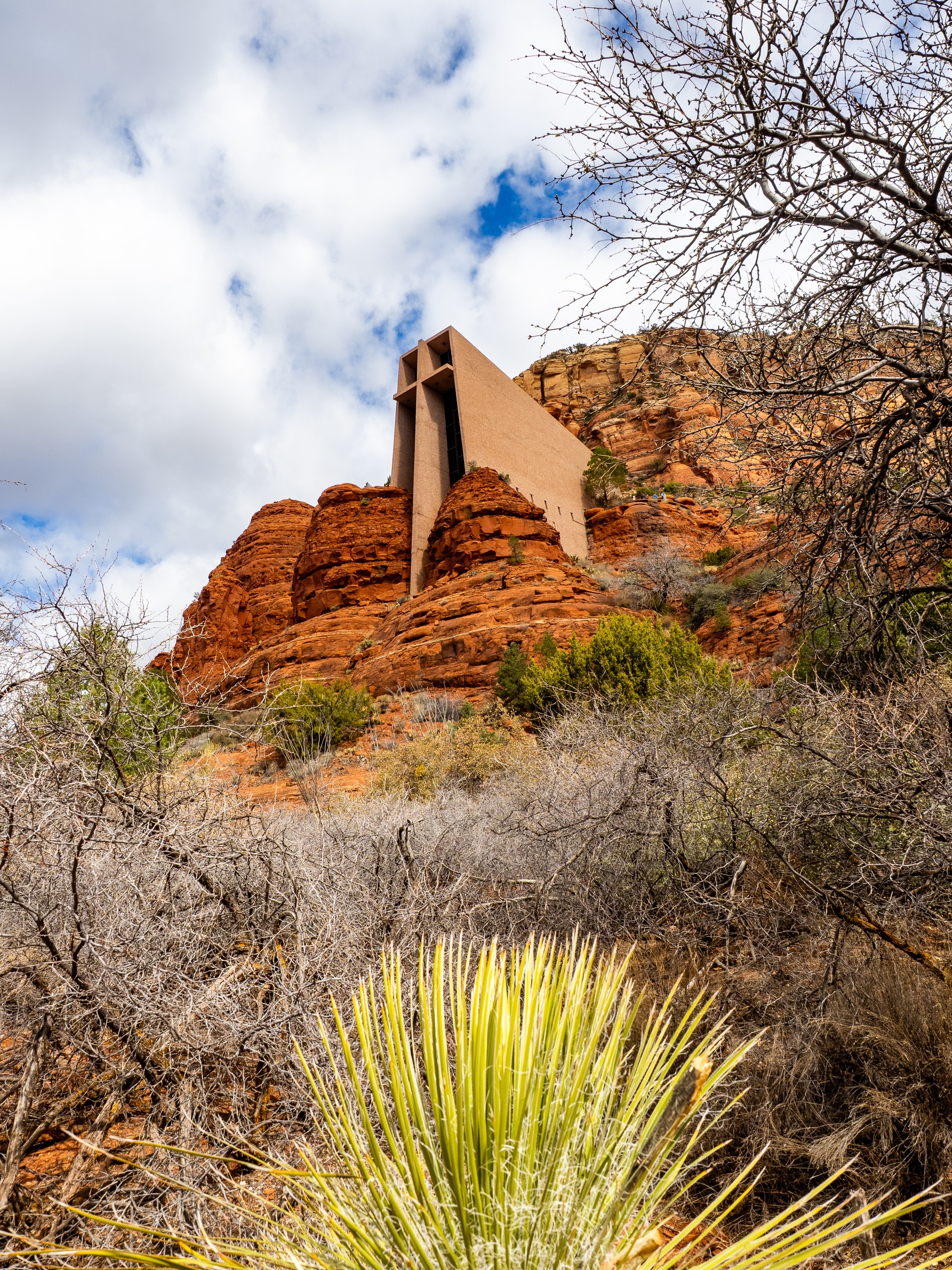
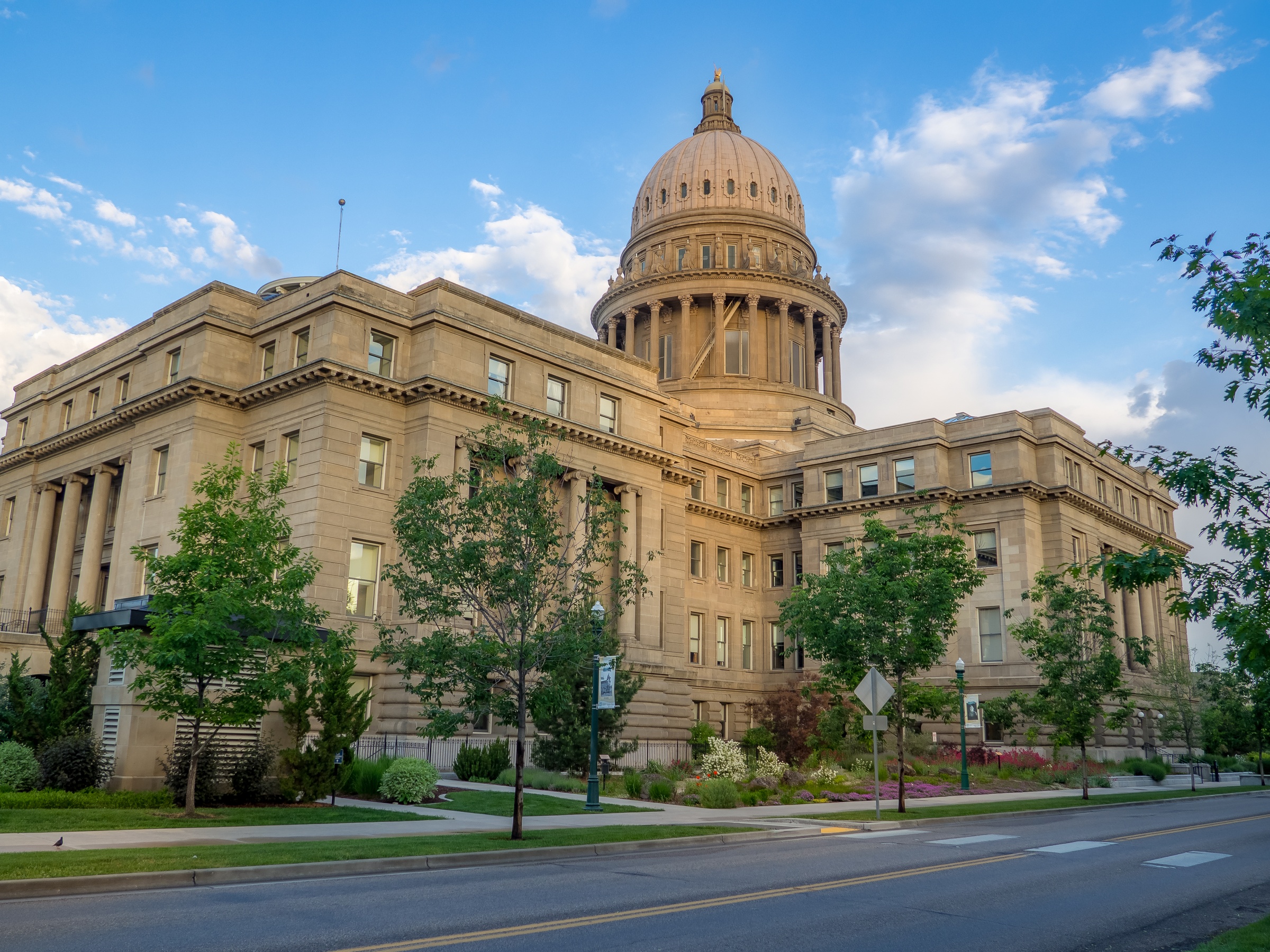
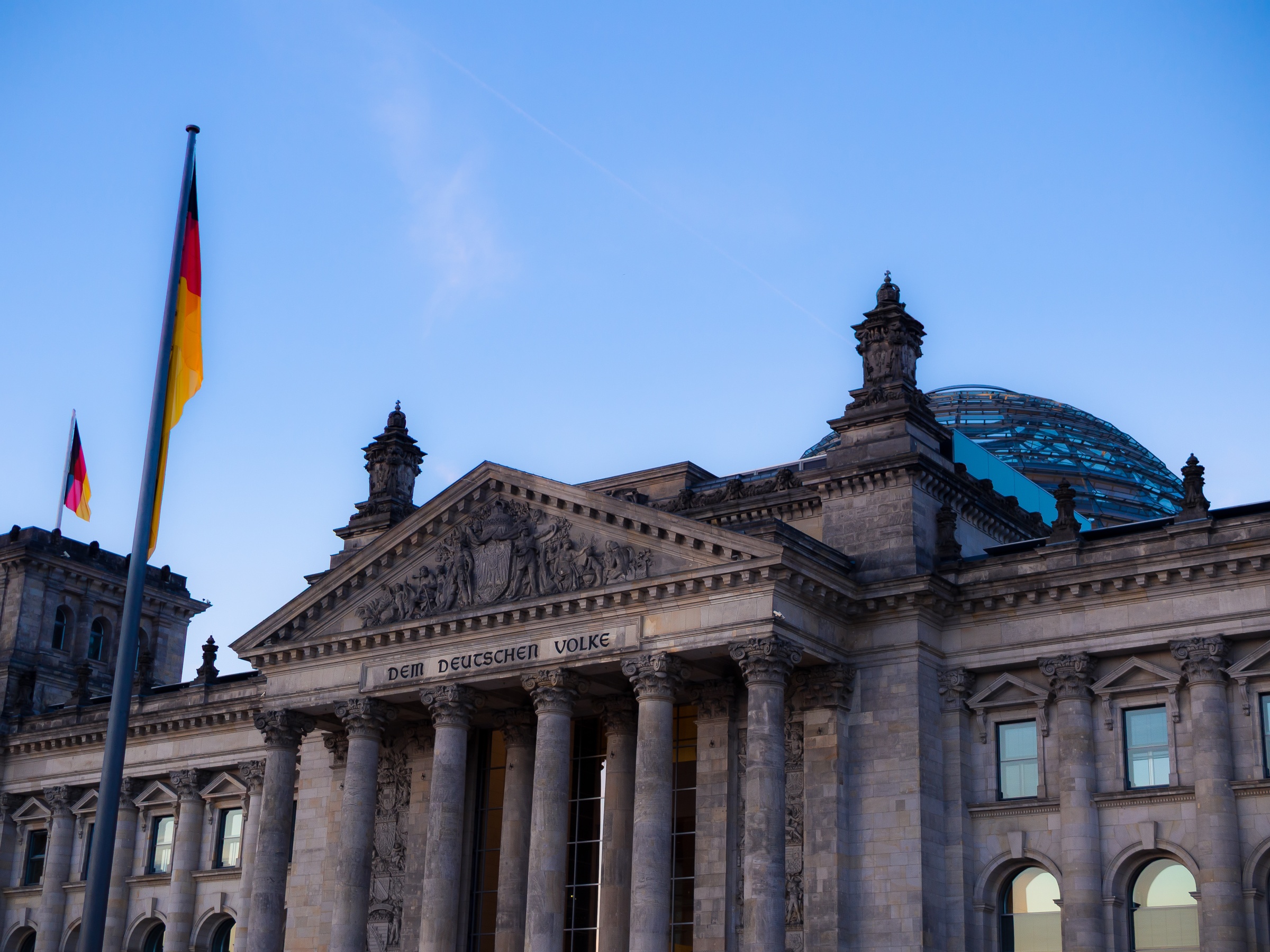
As a political scientist, the places where the decisions about our public life get made are endlessly fascinating to me as monuments to our aspirations.







It’s important to remember that the most popular and accessed article about ChatGPT and student learning was retracted. The thing is, retraction is just a label, and people can choose to honor or not honor that label. So keep your eyes out for people citing the study.